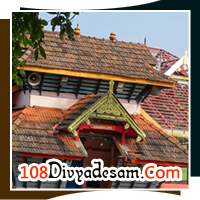
| Moolavar |
Thirumoozhikkulathan in HIS Standing Posture facing towards East. " One of the Nalambalam Temples". |
| Thayar |
Mathuraveni Nachiyar |
Sthala Vimanam |
Soundarya Vimanam |
| Kshetram |
Lakshmana Kshetram |
Sthala Pushkarini |
Perunkulam, Sanka Theertham & Chitraru |
| Thirumoozhikkulam is Part of the Sacred Nalambalam Temples in Kerala, dedicated to Sri Rama and His divine brothers. |
| Pilgrims undertake the revered Nalambalam Yatra during Karkidakam, the holy Malayalam month of July–August. |
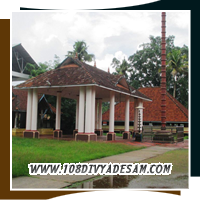
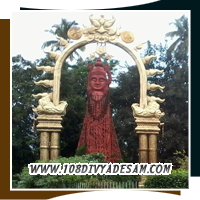
| Thirumoozhikkulam Temple features a Majestic Eight-Tiered Oil Lamp Crowned with a Divine GarudalwarIdol at the entrance. |
✨ Thirumoozhikkulam Divyadesam - Lakshmana Perumal Temple – One of the " Nalambalam Temples"
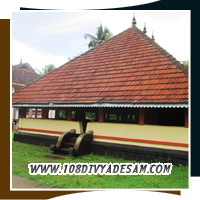
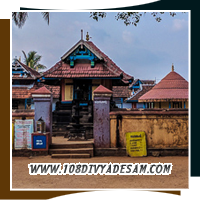
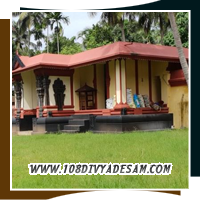
Thirumoozhikkulam Divyadesam, also known as Sree Lakshmana Perumal Temple, is one of the most important pilgrimage destinations in Kerala for Vaishnavites. Located near Kochi in Ernakulam district, this ancient temple is dedicated to Lakshmana, the devoted brother of Lord Rama from the Ramayana. It is one of the Four Temples of Nalambalam, to bring blessings, prosperity, and protection.
Nalambalam Yatra, a very sacred temple pilgrimage in Kerala, especially famous during the month of Karkidakam (July–August) in the Malayalam calendar ) – a sacred circuit visiting shrines for Lord Rama, and HIS three Brothers Bharatha, Lakshmana, and Shatrughna.
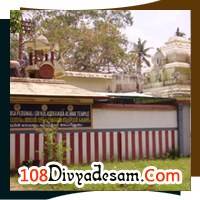
The presiding deity here, Moozhikkalathan (also called Sreesukthanathan), is worshipped in a Majestic Standing Posture Facing East. The temple is famous for its peaceful atmosphere, beautiful architecture, and spiritual significance, attracting devotees and tourists.
Surrounded by temple tanks like Perunkulam, Sanga Theertham, and Suktha Theertham, and crowned with the Soundarya Vimanam, Thirumoozhikkulam is a divine blend of history, faith, and culture.
✨ History and Legends of Thirumoozhikkulam Divyadesam
The history of Thirumoozhikkulam Divyadesam is deeply rooted in the events of the Ramayana. After Lord Rama defeated Ravana and returned to Ayodhya, he entrusted his brothers with the responsibility of listening to the grievances of the people. Lakshmana traveled south and reached Thirumoozhikkulam, where he met Sage Hareetha. The sage reminded him of a misunderstanding during their days in Chitrakoot, when Lakshmana thought Bharatha had come to harm Rama.
Regretting his harsh words to Bharatha, Lakshmana sought penance here. He performed severe tapas (meditation) to cleanse his mind. This place became sanctified as the site of Lakshmana’s repentance and devotion. Even today, the temple preserves that spirit of humility and reconciliation, inspiring devotees to seek forgiveness and inner peace. The story adds a deep emotional connection to the temple, making it a must-visit for those exploring Kerala’s Spiritual Tourism and Ramayana Heritage.
✨ Architecture and Unique Features of Lakshmana Perumal Temple
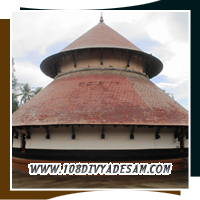
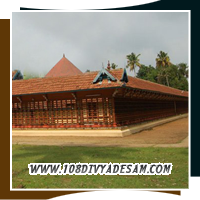
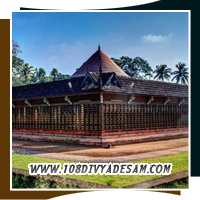
One of the unique features of Thirumoozhikkulam Lakshmana Perumal Temple is the presence of a Magnificent Eight-Tiered Oil Lamp at the entrance, with a beautiful idol of Garudalwar (the divine eagle mount of Lord Vishnu) on top. The temple’s Dwajasthambam (flag post) also features Garudalwar at its summit, signifying protection and devotion. The temple’s architecture follows the classic Kerala style, with intricately carved wooden roofs, granite walls, and a serene temple pond.
The Soundarya Vimanam above the sanctum adds to its grandeur. Pilgrims also admire the temple tanks – Perunkulam, Sanga Theertham, Chitraru, and Suktha Theertham – each with its own legends and spiritual importance. The overall ambiance here blends the sacred and the scenic, making it a prime spot for both religious tourism in Kerala and cultural heritage tours. |
 |
✨ Nalambalam Yatra – Spiritual Journey Across Four Temples in Kerala
The temple is closely linked to the legend of four sacred idols discovered by fishermen in ancient times. These idols were handed over to local Namboothiris, who installed them along the riverbanks. They were identified as the idols of Lord Rama, Lakshmana, Bharatha, and Shatrughna. These idols were once worshipped by Lord Krishna in Dwaraka during the Dwapara Yuga.
Over time, four temples were established – each dedicated to one of the brothers. This group of temples is collectively known as the Nalambalam. Thirumoozhikkulam is the shrine of Lakshmana, while the other three temples are at Thriprayar (Rama), Koodalmanikyam (Bharatha), and Payammal (Shatrughna).
The Nalambalam Yatra is an important pilgrimage, especially during the Malayalam month of Karkidakam ( July - August ).
✨ Festivals and Rituals at Malainadu Divyadesam
The Nalambalam Yatra is not just a temple visit – it is a spiritual journey. Devotees start at the Sree Rama Temple in Thriprayar, then proceed to Koodalmanikyam Temple in Irinjalakuda for Bharatha, followed by Thirumoozhikkulam for Lakshmana, and end at Payammal for Shatrughna. Completing the pilgrimage in a single day is believed to bring immense blessings.
Visiting during Ramayana Masam (July–August) is especially auspicious. In Kerala, people recite the Ramayana throughout this month, as it removes sorrow and brings peace. Many pilgrims combine the yatra with Kerala Temple Tourism Packages, making it a culturally rich and spiritually uplifting experience, also offers a glimpse into Kerala’s Unique Temple Traditions, and devotional practices.
✨ Temple Timings, Pooja Schedule and Entry Details
The presiding deity, Moozhikkalathan, is worshipped with great reverence. The idol shows Lord Lakshmana in a Gracious Standing Posture, Holding the Bow and Arrow, signifying readiness to serve and protect. The temple’s Thayar (Goddess) is Madhuraveni Nachiyar, who blesses devotees with compassion and prosperity.
Worshipping Perumal and Thayar here removes obstacles, strengthens family unity, and brings mental clarity. Many devotees perform special poojas during auspicious days like Rama Navami and Vaikunta Ekadasi. The temple also celebrates unique festivals in line with Kerala traditions, attracting pilgrims, photographers, and cultural enthusiasts. |
 |
✨ Accessibility and Travel Tips
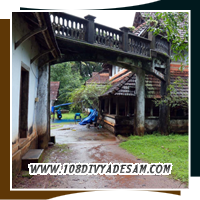
Thirumoozhikkulam is not only a religious site but also an important part of Kerala’s cultural heritage. The temple walls and pillars have beautiful wooden carvings and murals depicting scenes from the Ramayana and other Vaishnava traditions. The peaceful surroundings, lush greenery, and calm temple pond make it an ideal spot for meditation and reflection.
Tourists visiting Kochi, Aluva, or Thrissur often include this temple in their itinerary for a blend of spiritual and sightseeing experiences. Its location also makes it accessible for day trips from Kochi or inclusion in Kerala pilgrimage tours.
✨ Festivals and Ramayana Month Celebrations at Thirumoozhikkulam
Lord Maha Vishnu preached the sacred Sreesuktham to Sage Hareetha here. This divine discourse gave the temple its original name – ThiruMozhiKalam ( Thiru Mozhi Kalam ) – which later evolved into Thirumoozhikkulam. According to another legend, it was Parashurama who consecrated the deity here, and Lakshmana himself built the mandapams and the vimanam.
These Legends make the temple a treasure of mythology and faith, appealing to pilgrims who love connecting history with devotion.
Visiting Thirumoozhikkulam during festivals is a divine experience. The temple celebrates Vaikunta Ekadasi, Utsavam, and the annual Nalambalam Pilgrimage with grandeur. Devotees participate in these events, creating a vibrant atmosphere of devotion, music, and traditional rituals and also supports cultural programs like classical music performances, making it a hub for Kerala’s devotional arts. |
 |
✨ Sacred Waters and Pushkarinis - Famous Temples in Malainadu Divyadesam
For devotees who enjoy exploring temple tanks, Perunkulam is the largest and most beautiful water body here. The other tanks – Sanga Theertham, Suktha Theertham, and Chitraru – each have their own sanctity. Bathing or offering prayers near these tanks during festivals is considered spiritually purifying.
The temple also organizes special rituals for health, prosperity, and removal of difficulties. Pilgrims visiting during the monsoon enjoy the serene beauty of the temple surroundings, making it an excellent spot for religious photography and heritage documentation.
✨ How to Reach Thirumoozhikkulam Lakshmana Perumal Temple
Accessibility is another reason Why Thirumoozhikkulam is a popular pilgrimage site. The temple is around 30 km from Kochi International Airport and well-connected by road from Aluva, Angamaly, and Ernakulam. It can be easily included in Kerala Temple Tour packages along with other famous shrines like Guruvayur, Chottanikkara, and Thriprayar.
Thirumoozhikkulam Divyadesam stands as a shining example of Kerala’s spiritual depth, mythological richness, and architectural beauty. Whether a pilgrim seeking blessings, a history lover exploring ancient temples, or a tourist on a cultural journey, this temple offers an unforgettable experience. Including it in Kerala Pilgrimage Itinerary allows you to connect with the devotion of Lakshmana, immerse in sacred legends, and witness centuries-old traditions that continue to inspire faith today. |
 |
| |
Experience Spiritual Bliss at Thirumoozhikkulam Divyadesam while exploring Nearby Divyadesam & Iconic Kerala Temples |
| |
|
| 01 |
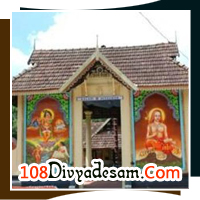
ThiruKatkarai Divyadesam - Sri Kaatkarai Appan Perumal is blessing in Grand Standing Posture facing South. " Vamana Kshetram ". |
| 02 |
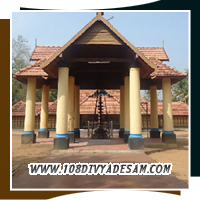
Kalady Sree Krishna Swamy Temple - "Adi Sankara Janmabhoomi Kshetram".'' Holy Birthplace Of Jagadguru Adi Shankaracharya ''. |
| 03 |
Thiruvanjikkalam Sri Srinivasa Perumal Temple - "The Holy Birth Place of Kulasekara Alwar" and "One of the 3 Abhimana Sthalams". |
| 04 |
Swarnath Mana - Holy House Where " Jagathguru Adi Shankara as a Boy Chanted Kanakadhara Stotram ", Pazhamthottam, Kerala. |
| 05 |
Chottanikkara Bhagavathy Amman Temple - Where Goddess Rajarajeswari, Adi Parasakthi can be dharshaned in "All HER 3 forms". |
| |
|
 |
 |
 |
 |
 |
ThiruKatkarai |
Kalady |
Thiruvanjikkalam |
Swarnath Mana |
Chottanikkara |
Plan your Kochi Divyadesams visit by including these Prominent Kerala Temples and Divyadesams in Your Itinerary |
| |
| 01 |
Thirumittacode Divyadesam - Thiruvithuvakodu Uyyavantha Perumal Temple. Blessing in HIS Standing Posture, "Anjumoorthy Koil". |
| 02 |
Thirunavaya Divyadesam - Navay Mukundhan Temple, where Eyes of Thayar Malarmangai Nachiyar remain closed. As Holy as Kasi. |
| 03 |
Guruvayur Temple - Guruvayur Unni Krishnan Koil is also worshipped as '"Dakshina Dwaraka"' and "Bhooloka Vaikundam of Kerala". |
| 04 |
Nelluvaya Sree Dhanwanthari Temple, Lord Dhanwanthari Bhagwan is Blessing as Moolavar, Lord of Medicine, "God of Ayurveda". |
| 05 |
Vadakkunnathan Temple - One of the 108 Mahadevar Temples, built and worshipped by "Lord Parasurama". "Parasurama Kshetram" |
| |
|
Travel through Ancient Vaishnavite Shrines in Tamil Nadu, Kerala and Ahobilam with our Divyadesam Tours |
| |
|