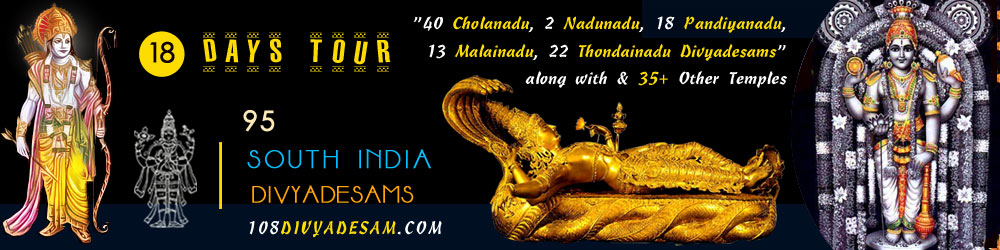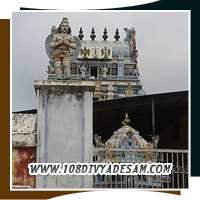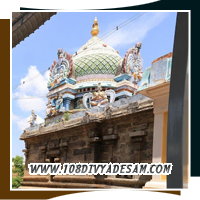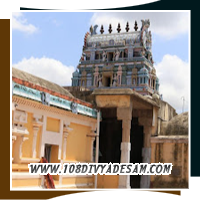
| Moolavar |
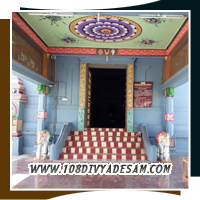
Purushothama Perumal blessing in HIS Standing Posture facing towards East. |
| Thayar |
Sree Purushothama Nayagi, Pankajavalli |
Prathyaksham |
Vyakrapathar |
| Sthala Vriksham |
Neem Tree |
Sthala Vimanam |
Sanjeevi Vimanam |
| Agamam |
Pancharatram |
Sthala Pushkarini |
Thiruparkadal Theertham |
| Thiruvanpurusothamam Divyadesam worship is equal to Sree Ayodhya, where Perumal blesses devotees in standing posture |
| 48-day Vishnu Sahasranama Vratam performed to seek Lord Purushothaman’s divine blessings and wish fulfillment |
| Goddess Purusothamavalli Thayar blesses devotees in a serene sitting posture, granting prosperity and spiritual growth |
| Thiruparkadal Theertham signifies the Milky Ocean brought by Lord Vishnu to bless Sage Ubamanyu at this Divyadesam |
| Lord Purushothaman gave Sree Rama darshan to Thirumangai Azhwar, making this Divyadesam a sacred Vaishnava pilgrimage site |
| Periyavachan Pillai praised Purusothaman as ‘Uthaman’; Lord Perumal blessed Thirumangai Azhwar with Sree Rama darshan |
✨ Temple Overview and Spiritual Significance at Thiruvanpurushothamam
Thiruvanpurushothamam Divyadesam is a sacred Vaishnavite site in Chola Nadu where the Almighty appeared as Sree Raman to Thirumangai Azhwar. Devotees visit seeking spiritual upliftment, prosperity, and divine protection. Praised in Nalayira Divya Prabandham, the temple attracts pilgrims and religious tourists exploring Tamil Nadu's rich temple heritage.
✨ Temple Legend and Divine Manifestation
Legend narrates Lord Vishnu appeared as Sree Raman to Thirumangai Azhwar here. The divine manifestation emphasizes cosmic energy and spiritual guidance. Devotees believe the deity’s blessings bring protection, wisdom, and prosperity. Local lore connects the temple with celestial events, enhancing its significance for Vaishnavite pilgrimage tours.
✨ Presiding Deity – Sri Purushothama Perumal
The Moolavar, Purushothama Perumal, blesses in a standing posture facing east with Abhaya Hastham, flanked by Sridevi and Bhoodevi. Worshippers experience peace, spiritual clarity, and guidance. The deity embodies dharma, devotion, and divine grace, making the temple a must-visit for pilgrims seeking wealth, harmony, and spiritual merit.
✨ Thayar – Goddess Purushothama Nayagi
Goddess Purushothama Nayagi is seated in a serene posture in the southwest sanctum. She blesses devotees with marital harmony, prosperity, and child welfare. Pilgrims performing rituals and darshan receive her benevolence. Her presence emphasizes the divine feminine aspect and enhances the temple’s spiritual and religious tourism appeal.
✨ Utsavar – Divine Interaction for Devotees
The Utsava deity, Madhava Perumal, mirrors the Moolavar, participating in festivals and processions. Pilgrims witness abhishekam, alangaram, and deepa aradanai, fostering direct engagement with the deity. Celebrations attract devotees and tourists, offering cultural immersion and enriching Vaishnavite experiences in Thondai Nadu. |
 |
✨ Sthala Vriksham – Sacred Neem Tree
The temple’s Sthala Vriksham, the sacred neem tree, radiates divine energy. Devotees meditate under its shade for spiritual clarity, blessings, and inner peace. Symbolizing growth, prosperity, and protection, the tree adds serenity to the temple atmosphere, enhancing both pilgrimage experience and religious tourism in the region.
✨ Sthala Theertham – Thiruparkadal Pushkarini
Thiruparkadal Theertham is renowned for its miraculous legend. Pleased by the devotion of Vyakrapatha Maharishi’s child, the Almighty brought the entire Milky Ocean here. Pilgrims cleanse sins, seek blessings, and perform rituals. The sacred water embodies spiritual merit, drawing devotees and religious tourists alike.
✨ Architectural Brilliance of Thiruvanpurushothamam
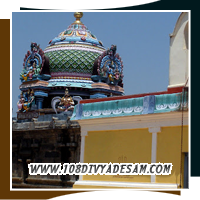
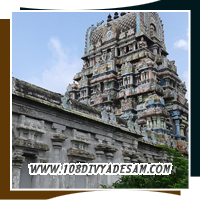
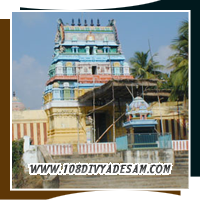
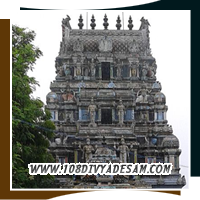
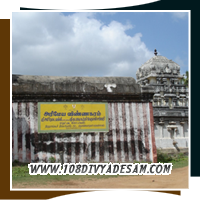
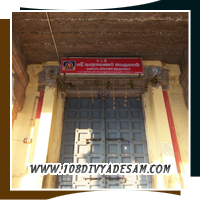
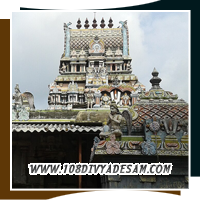
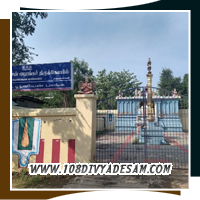
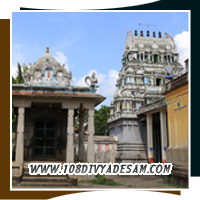
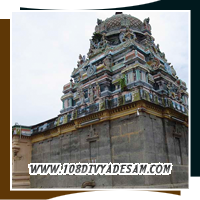
The temple features classic Dravidian architecture with intricately carved stone pillars, mandapams, and a modest gopuram. Sanjeevi Vimanam towers above the sanctum, symbolizing cosmic order and divine presence. Chola-era craftsmanship reflects both aesthetic beauty and spiritual symbolism, captivating pilgrims and cultural tourists.
✨ Sanctum Sanctorum – Divine Abode of Purushothama Perumal
The garbhagriha houses the Moolavar, emanating divine energy. Devotees experience focused meditation, darshan, and inner peace. The sanctum is designed to emphasize the deity, heightening spiritual connection. Pilgrims report enhanced clarity and fulfillment during worship at this sacred Vaishnavite site.
✨ Worshipping Benefits at Thiruvanpurushothamam
Devotees believe prayers here grant prosperity, marital harmony, and divine protection. Regular worship promotes spiritual upliftment, clarity, and guidance in life. Chanting Vishnu Sahasra Namam for 48 days enhances blessings. Pilgrims visiting experience tangible spiritual merit and emotional fulfillment.
|
 |
✨ Festivals and Religious Celebrations
Annual festivals include utsavar processions, abhishekam, alangaram, and deepa aradanai. Devotional chants and hymns fill the temple with spiritual energy. Pilgrims actively participate, enhancing religious tourism. These celebrations highlight Vaishnavite culture, attracting both local devotees and tourists seeking immersive experiences.
✨ Historical Significance and Patronage
Inscriptions indicate Chola and later dynasty patronage. Historical records document donations, rituals, and renovations. The temple architecture, maintained over centuries, reflects rich Vaishnavite traditions, offering pilgrims insight into cultural heritage and spiritual history, boosting religious tourism interest.
✨ Connection to Thondai Nadu Divyadesams
Thiruvanpurushothamam is part of the sacred Thondai Nadu Divyadesam circuit. Visiting neighboring temples enhances devotional journeys, providing holistic spiritual experiences. Pilgrims can plan tours combining cultural exploration and religious pilgrimage, promoting Vaishnavite heritage tourism in the region.
✨ Proximity to Nearby Divyadesams
Nearby Divyadesams include Thiru Vaikunda Vinnagaram, Thiru Parthanpalli, and Thirumanimadam. Sequential temple visits maximize spiritual benefits. Pilgrims can combine sightseeing with worship, creating a comprehensive religious tourism itinerary across Thondai Nadu’s Vaishnavite circuit.
✨ Temple Rituals and Agama Practices
Daily rituals follow Pancharatram Agama procedures. Abhishekam, alangaram, and deepa aradanai are performed by trained archakas. Pilgrims can observe or participate, gaining insight into sacred traditions. Ritual practices preserve Vaishnavite heritage while enhancing spiritual tourism experiences.
|
 |
✨ Spiritual Ambiance and Meditation
The temple offers a serene environment with sacred trees and quiet corridors, ideal for meditation. Devotees chant Divya Prabandham hymns or reflect near theertham. The peaceful surroundings foster inner clarity, enhancing the overall spiritual and devotional experience for tourists and pilgrims.
✨ Divine Legends of Sri Purushothama Perumal
Legends describe sages receiving blessings, wisdom, and prosperity here. The deity’s benevolence is celebrated in Vaishnavite literature. Pilgrims seek guidance and spiritual upliftment, while the temple’s unique stories attract devotees and religious tourists keen on understanding sacred lore.
✨ Vimanam – Celestial Architectural Symbolism
Sanjeevi Vimanam rises above the sanctum, representing cosmic order and divine presence. Intricate carvings depict celestial beings and mythological tales. Pilgrims admire the architectural beauty while connecting spiritually, making it a significant point for religious tourism photography and exploration.
✨ Iconography of the Deities
Sri Purushothama Perumal’s standing posture symbolizes protection, guidance, and blessings. Utsavar deities mirror this form, allowing closer interaction. The temple’s unique iconography highlights Vaishnavite traditions, enhancing pilgrimage experience and promoting tourism focused on spiritual heritage.
✨ Pilgrimage Opportunities and Moksha
The temple provides a path to spiritual growth, divine guidance, and clarity. Pilgrims seeking Moksha or spiritual merit find fulfillment through prayer and ritual. Its position within the Divyadesam circuit supports immersive Vaishnavite pilgrimage experiences, attracting devotees and religious tourists.
|
 |
✨ Visitor Experience and Tourism
Tourists enjoy cultural immersion, scenic beauty, and Dravidian architecture. Pilgrims engage in rituals, meditation, and photography. The temple village setting and historical ambiance combine religious tourism with cultural exploration, offering a memorable pilgrimage experience for visitors.
✨ Daily Offerings and Devotional Practices
Daily rituals include abhishekam, alangaram, and deepa aradanai conducted by trained priests. Participation allows devotees to preserve Vaishnavite customs. Observing these practices enhances spiritual understanding and devotional engagement, enriching the religious tourism experience.
✨ Architectural Symbolism and Spiritual Significance
Mandapams, pillars, and carvings narrate Vaishnavite stories and philosophy. The sanctum represents the divine abode. Pilgrims gain insight into religious symbolism while experiencing a sacred environment for reflection, meditation, and worship, making the temple a key spiritual tourism destination.
✨ Pilgrim Guidance and Accessibility
The temple is easily accessible from Thondai Nadu towns. Guides explain legends, rituals, and architecture, enhancing pilgrim experiences. Accessibility ensures devotees and tourists engage deeply with the temple’s heritage, architecture, and spiritual significance.
✨ Legacy and Enduring Spiritual Heritage
Thiruvanpurushothamam preserves centuries-old Vaishnavite devotion, sacred theertham, and historical architecture. Pilgrims continue traditional worship while gaining spiritual elevation. The temple remains a landmark for religious tourism, cultural exploration, and Vaishnavite heritage preservation.
|
|
| |
Discover the Spiritual Essence of South India with Thiruvan Purushothamam and Nearby Thirunangur Divyadesams |
| |
Book Customized Divyadesam Temple Tours in Tamil Nadu, Kerala, and Ahobilam with Expert Pilgrimage Planning |
| |
|
|
|
|