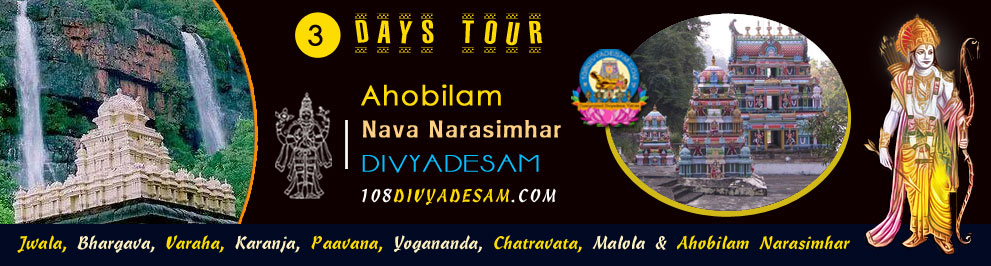
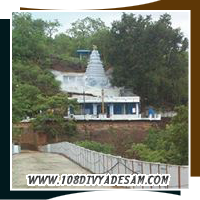
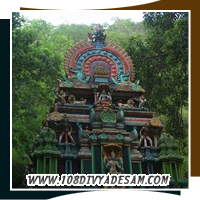
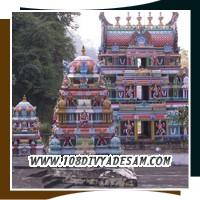
✨ Ahobilam Nava Narasimha Swamy Temple - Thiru Singavelkundram
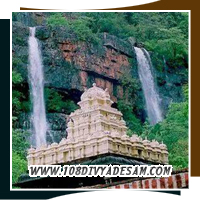
Ahobilam, located in the Kurnool district of Andhra Pradesh within the Eastern Ghats, is one of the most sacred Vaishnavite pilgrimage destinations in South India. Surrounded by dense forests and rugged hills, this holy kshetram is about 350 km northwest of Chennai. Ahobilam is revered as the divine abode of Lord Narasimha, attracting devotees, seeking blessings, heritage, and natural beauty.
✨ Nava Narasimha Concept
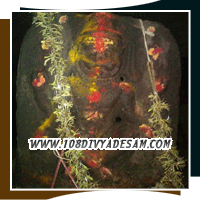
Ahobilam is unique in Hindu pilgrimage tourism as it is the only place where Lord Narasimha is worshipped in all His nine self-manifested forms, known as Swayambhu Murthis. These Nava Narasimhas—Ugra, Veera, Jwala, Sarvamukha, Malola, Yogananda, Bhargava, Karanja, and Lakshmi Narasimha—are spread across Upper and Lower Ahobilam, offering a complete spiritual experience.
✨ Divyadesam Importance
Ahobilam Narasimha Swamy Temple is one among the 108 Divyadesams glorified by the Alwars, making it an essential stop in Divyadesam Yatra tours. Thirumangai Alwar praised this holy place as “Singavel Kundram” in his sacred pasurams. The temple’s mythological depth, scriptural significance, and ancient worship traditions make Ahobilam a cornerstone of Vaishnava religious tourism.
✨ Upper & Lower Ahobilam
The sacred geography of Ahobilam is divided into Upper Ahobilam and Lower Ahobilam. Upper Ahobilam, situated atop the hills, houses six Narasimha temples amid caves and forests, while Lower Ahobilam contains three temples accessible to pilgrims of all ages. This natural division enhances the spiritual journey, blending devotion, pilgrimage, and divine exploration within a single holy landscape.
✨ Pilgrimage Tourism Experience
Ahobilam Tour offers a rare combination of devotion, adventure, and heritage tourism. Pilgrims traverse forest paths, rocky terrain, sacred caves, and ancient shrines while experiencing powerful legends of Prahlada and Hiranyakashipu. With its serene environment, sacred theerthams, ancient rituals, Ahobilam stands as a premier spiritual tourism destination for Narasimha devotees across India
|
✨ Ugra Narasimha Swamy
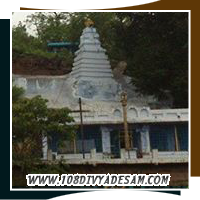
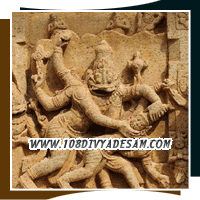
Sri Ahobila Narasimha Swamy Temple is the main shrine among the Nava Narasimha temples, located in Upper Ahobilam inside a sacred cave, where Lord Narasimha appears in His fierce ( Ugra ) form, tearing Hiranyakashipu, with Prahalada standing in devotion. Goddess Senjulakshmi blesses in HER Padmasana Posture. The temple marks the exact spot where Lord Shiva worshipped Narasimha.
✨ Chatravata (Krodakara) Narasimha
Chatravata Narasimha Swamy is a majestic six-foot-tall deity blessing devotees under a sacred peepal tree in Lower Ahobilam. Lord Narasimha holds Conch and Chakra and uniquely displays Tala Mudra, which can be worshipped only here. The name Chatravata derives from the natural umbrella formed by the peepal tree, symbolizing divine protection and compassion.
✨ Yogananda Narasimha
Yogananda Narasimha Swamy Temple is located about 2 km from Lower Ahobilam. Lord Narasimha is worshipped in a serene yogic posture, seated with crossed legs tied by Yogapatta. This is the sacred place where HE taught yoga to Prahalada. The calm and meditative form makes this temple a key spiritual stop for seekers of inner peace and divine wisdom.
|
✨ Bhargava Narasimha
Bhargava Narasimha Swamy Temple is situated on a hillock reached by trekking through dense forest terrain. Here Lord Narasimha blesses facing north, tearing Hiranyakashipu on His lap. Worshipped by Parashurama, this temple features Akshaya Theertham and a unique Prabhavali depicting the Dasavatharam, making it an important site for heritage and mythological tourism.
✨ Jwala Narasimha
Sri Jwala Narasimha Swamy Temple is a dramatic cave shrine where Lord Narasimha appears with eight arms in a fierce Hiranyasamhara form. The deity holds the demon’s body, tears open his chest, and wears the entrails as a garland. This intense form symbolizes divine justice and protection, making it one of the most awe-inspiring temples in Ahobilam.
✨ Malola (Somya) Narasimha
Malola Narasimha Swamy Temple represents the calm and graceful form of Lord Narasimha. “Malolan” means beloved of Goddess Lakshmi, who incarnated as Senjulakshmi to pacify the Lord’s anger. This temple reflects divine compassion and marital harmony, offering devotees peace and emotional solace amid the rugged spiritual landscape of Ahobilam.
|
✨ Karanja (Saranga) Narasimha
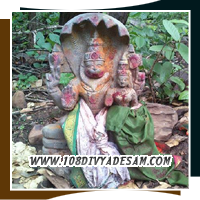
Karanja Narasimha Swamy Temple is located near the Papanasini River under a sacred Karanja tree. Lord Narasimha is seated in dhyana posture, holding a discus and a bow instead of the conch, hence called Saranga Narasimha. With Adisesha forming a divine canopy, this temple is revered for meditation and spiritual purification.
✨ Varaha (Krodakara) Narasimha
Varaha Narasimha Swamy Temple features Lord Narasimha with a boar face along with Goddess Bhudevi and Mahalakshmi. The deity blesses in Tribhanga Posture inside a small cave temple expanded during the Vijayanagara period. This unique form symbolizes protection of the earth and cosmic balance, enhancing Ahobilam’s mythological richness.
✨ Lakshmi Narasimha (Pavana Narasimha)
Pavana Narasimha Swamy Temple is located on the banks of the Pavana River. Lord Narasimha blesses with Goddess Lakshmi seated on His lap in a peaceful posture. A Salagrama resembling Narasimha is worshipped here along with Shivalinga in the outer prakara, making it a spiritually complete temple blending Shaiva and Vaishnava traditions.
|
✨ Prahalada Varadan Temple
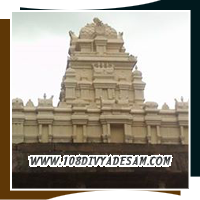
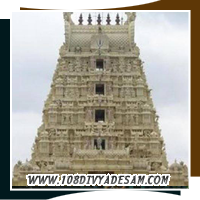
Prahalada Varadan Temple in Lower Ahobilam is the starting point of the Nava Narasimha Yatra. Lord Lakshmi Narasimha blesses devotees in a peaceful form, granting boons to Prahalada. The temple has a seven-tiered Rajagopuram and three prakaras. Worship here is considered essential before visiting Upper Ahobilam temples.
✨ Ugra Sthambam & Prahalada Mettu
Ugra Sthambam marks the divine pillar from which Lord Narasimha emerged. The rock appears split, symbolizing the breaking of Hiranyakashipu’s arrogance. Nearby Prahalada Mettu houses a cave shrine dedicated to Prahalada. Rakta Kundam, a sacred theertham nearby, is believed to have turned red after Hiranyavadham.
✨ Sacred Theerthams & Natural Shrines
Ahobilam is surrounded by sacred rivers, waterfalls, and theerthams that enhance its spiritual tourism appeal. Akshaya Theertham, Pavana River, Papanasini River, and Rakta Kundam are revered for ritual purification. These holy water bodies, combined with forest caves and hill shrines, make Ahobilam a complete pilgrimage and nature-based spiritual destination. |
Experience South India Divyadesam Temple Tourism with Customized Yatra Packages |
| |
|